Learn how effective procurement management, supplier evaluation, and purchasing strategies can help businesses control costs.


Learn how effective procurement management, supplier evaluation, and purchasing strategies can help businesses control costs.
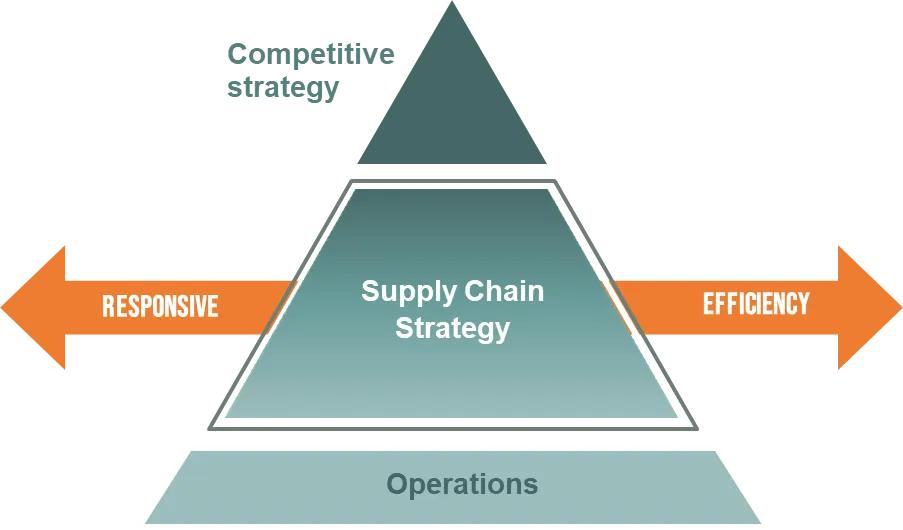
Explore supply chain management strategies to improve procurement, inventory, logistics, and operational efficiency.

Understand how to manage organizational change through planning, communication, stakeholder engagement, and effective implementation.
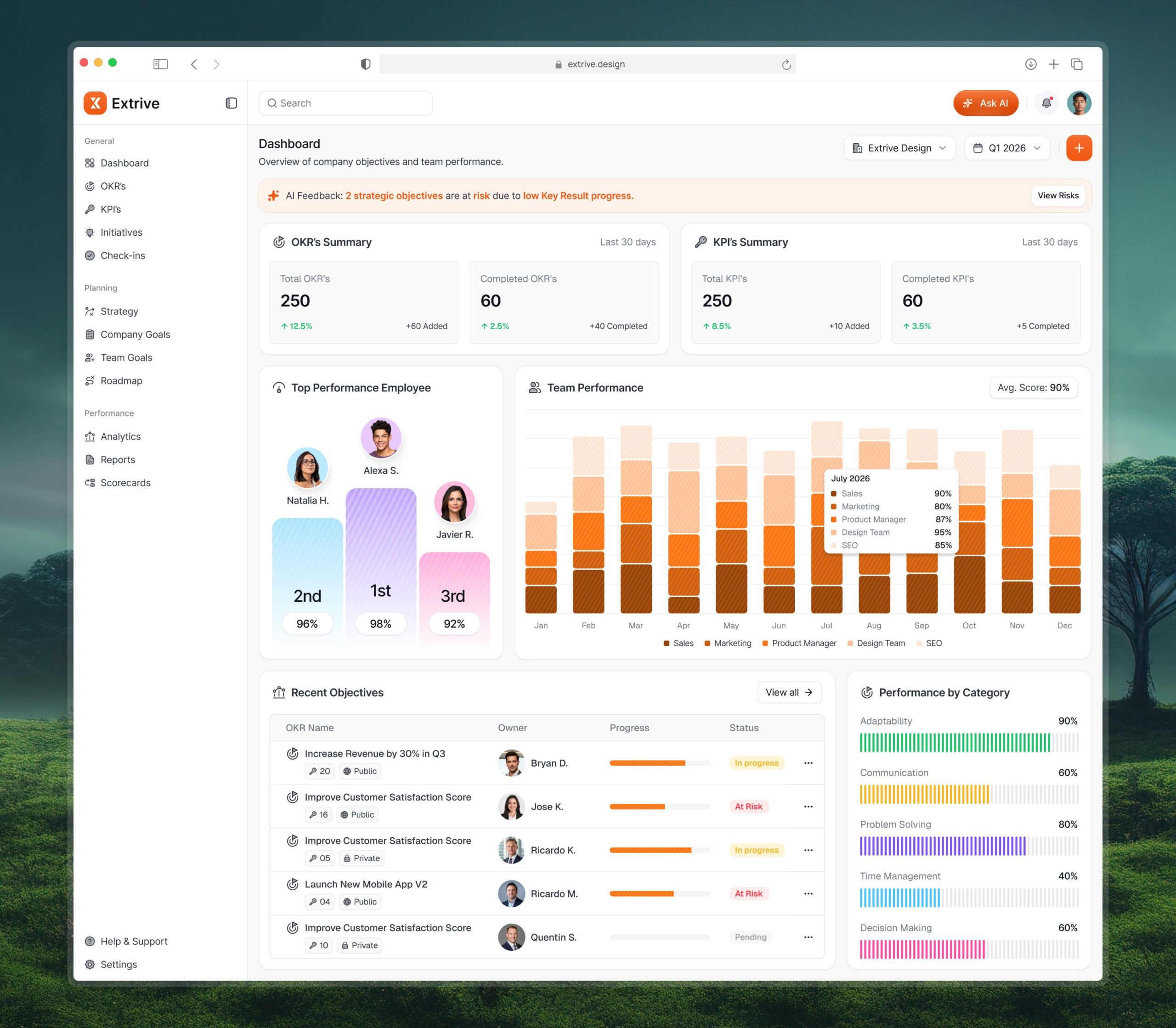
Strong business performance depends on more than setting financial targets. Organizations also need employees who understand their responsibilities, receive useful feedback, and have the skills and resources required to achieve their goals. Performance management provides a structured approach to connecting …

Businesses rely on many processes every day, including customer communication, invoicing, employee administration, data entry, reporting, approvals, and order processing. When these activities depend heavily on manual work, they can consume valuable time and increase the risk of errors. Business …
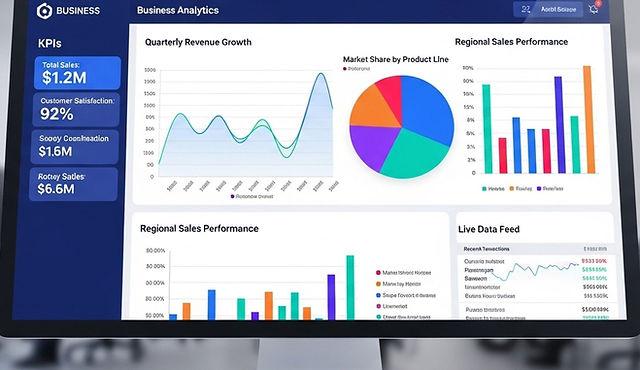
In today’s competitive business environment, organizations generate large amounts of data through sales, customer interactions, financial transactions, operations, and digital platforms. However, collecting data alone does not create business value. Companies need to analyze this information and turn it into …

Cash flow management is an important part of maintaining financial stability. Businesses need sufficient cash to pay employees, suppliers, operating expenses, taxes, loans, and other financial obligations. A company can report strong sales and still experience cash flow problems if …

Business budgeting is an essential part of financial planning and management. A clear budget helps organizations understand how financial resources are expected to be generated and used during a specific period. Without effective budgeting, businesses may struggle to control expenses, …
Organizations need effective leaders at different levels to achieve their goals and respond to changing business requirements. Leadership development provides employees with the knowledge, skills, and practical experience needed to take on greater responsibilities. Instead of waiting until an employee …

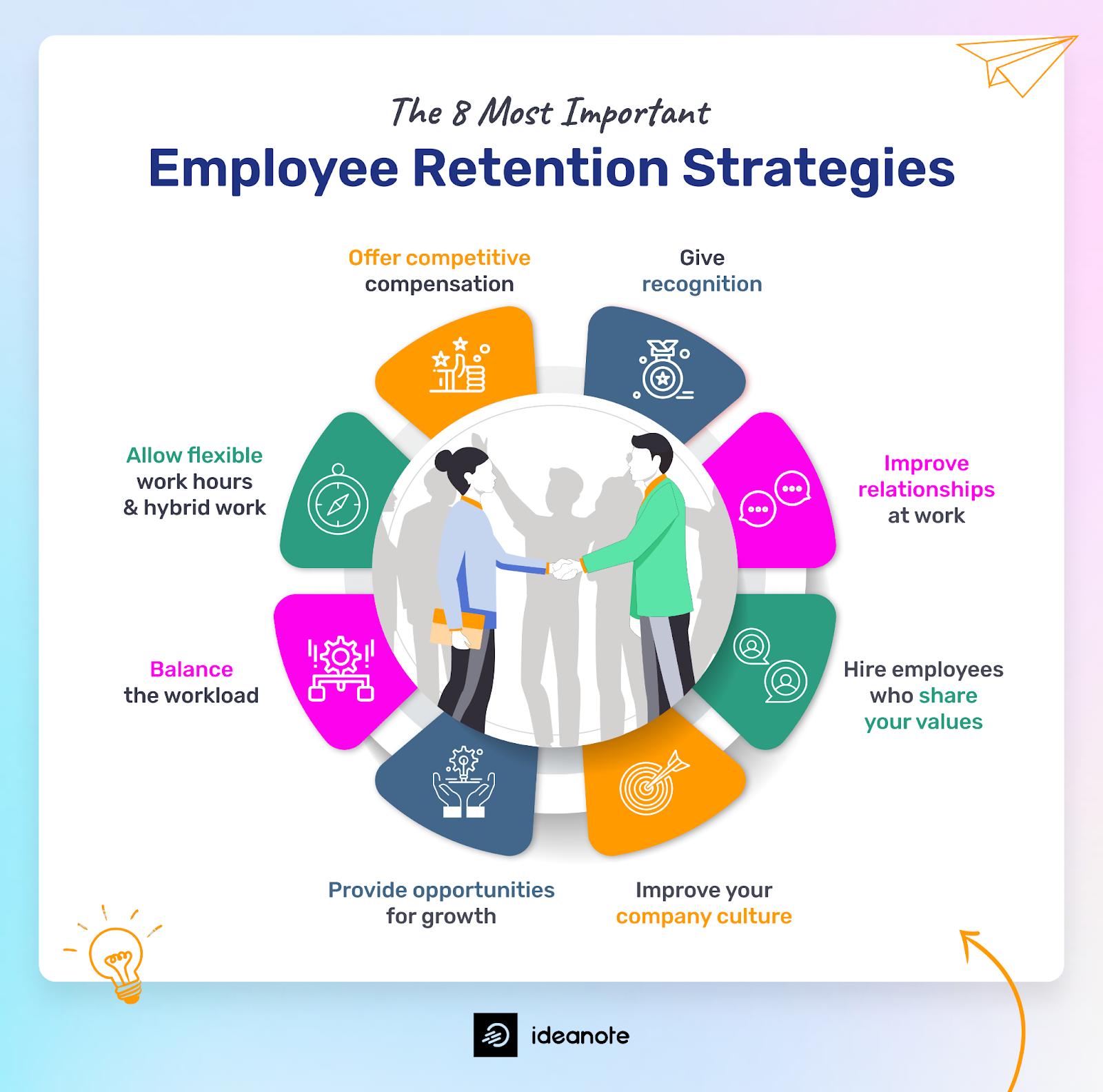
Employee retention has become an important priority for organizations that want to build stable and capable teams. When experienced employees leave, businesses may face recruitment costs, knowledge loss, productivity challenges, and additional training requirements. A strong employee retention strategy focuses …