Explore financial management fundamentals, from cost control and resource allocation to informed business decision-making.


Explore financial management fundamentals, from cost control and resource allocation to informed business decision-making.

Learn how employee development and workplace training help organizations strengthen skills, adapt to change, and improve performance.

Discover practical approaches to building a strong workplace culture through communication, collaboration, and clear organizational values.

Learn how effective procurement management, supplier evaluation, and purchasing strategies can help businesses control costs.
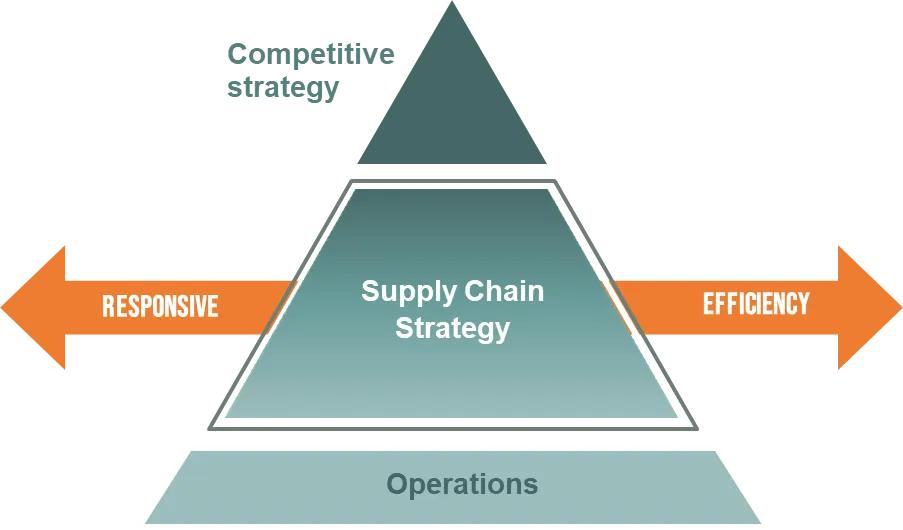
Explore supply chain management strategies to improve procurement, inventory, logistics, and operational efficiency.

Understand how to manage organizational change through planning, communication, stakeholder engagement, and effective implementation.
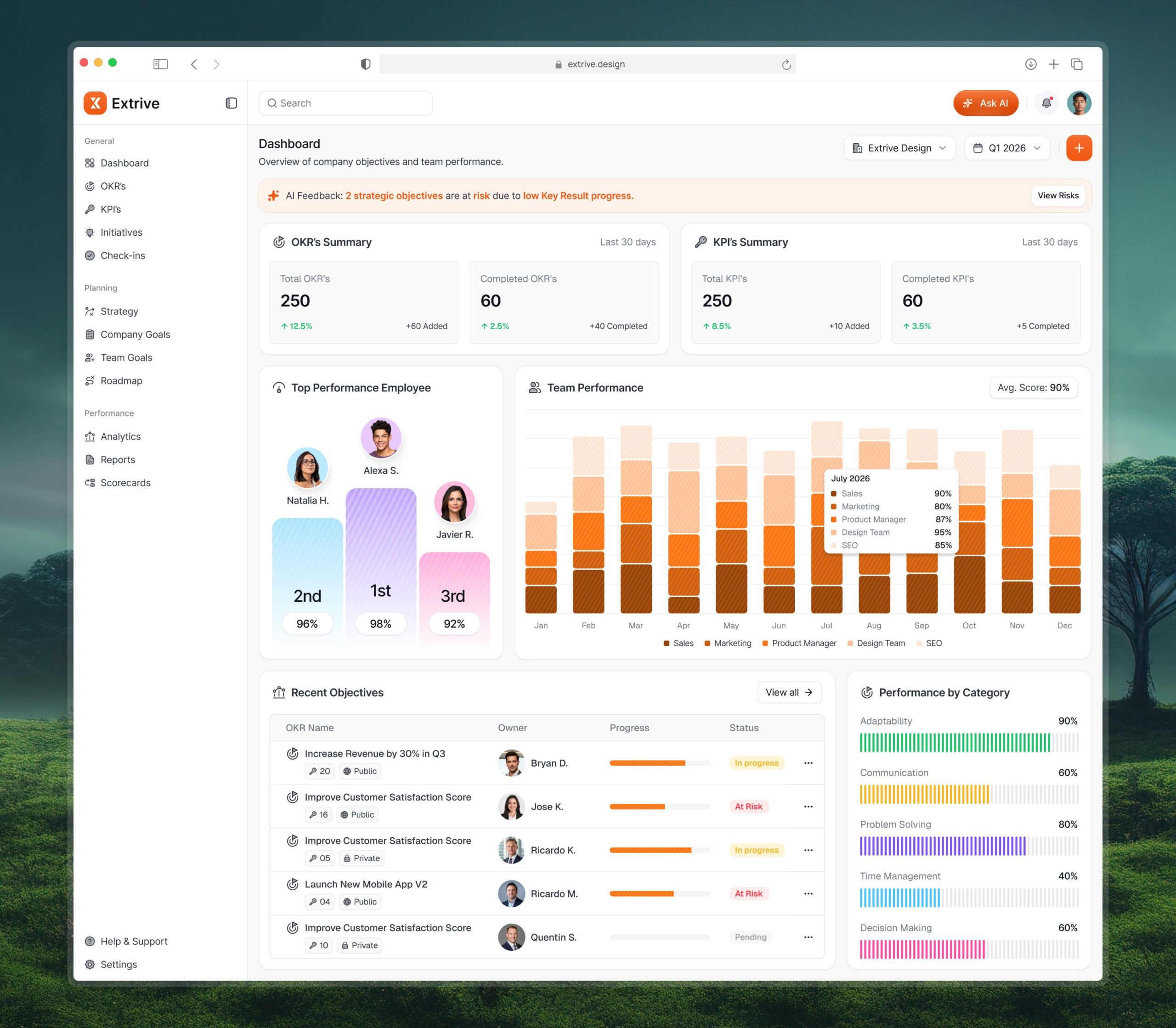
Strong business performance depends on more than setting financial targets. Organizations also need employees who understand their responsibilities, receive useful feedback, and have the skills and resources required to achieve their goals. Performance management provides a structured approach to connecting …

Businesses rely on many processes every day, including customer communication, invoicing, employee administration, data entry, reporting, approvals, and order processing. When these activities depend heavily on manual work, they can consume valuable time and increase the risk of errors. Business …
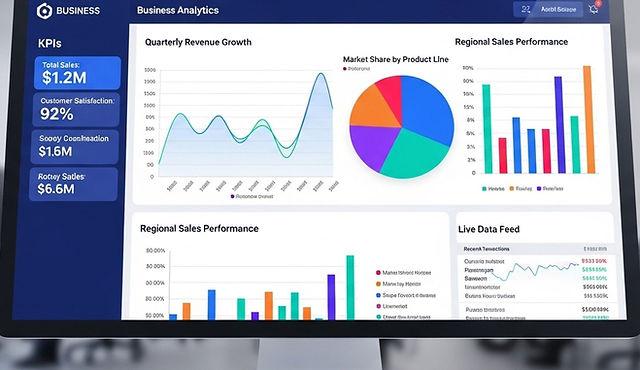
In today’s competitive business environment, organizations generate large amounts of data through sales, customer interactions, financial transactions, operations, and digital platforms. However, collecting data alone does not create business value. Companies need to analyze this information and turn it into …

Cash flow management is an important part of maintaining financial stability. Businesses need sufficient cash to pay employees, suppliers, operating expenses, taxes, loans, and other financial obligations. A company can report strong sales and still experience cash flow problems if …