
Employee Engagement: How Organizations Can Build a More Engaged Workforce
Employee engagement has evolved from an optional human resources metric into a core strategic driver of overall organizational success. In today’s dynamic business environment, companies that successfully cultivate an engaged workforce experience higher productivity, lower turnover rates, and superior financial performance. Building a truly engaged organization requires more than periodic surveys or casual perks; it demands a deliberate, cultural commitment to communication, professional development, and supportive leadership.
What Employee Engagement Means
Employee engagement refers to the emotional and intellectual commitment an employee feels toward their organization, their role, and their daily responsibilities. Unlike simple job satisfaction—which measures whether an individual is comfortable or content—engagement measures discretionary effort. Engaged employees care deeply about the company’s mission, collaborate effectively with their colleagues, and willingly invest extra effort to help the organization achieve its strategic objectives.
Why Employee Engagement Matters
The impact of employee engagement extends across every corner of the enterprise. High levels of engagement correlate directly with reduced absenteeism, enhanced customer service quality, and stronger employee retention. When employees feel valued, supported, and connected to a larger purpose, they are significantly more likely to remain with the company long-term. This retention stability protects institutional knowledge and reduces the substantial recruitment and onboarding costs associated with high staff turnover.
Core Drivers of Employee Engagement
Organizations looking to foster a thriving workplace culture must focus on several fundamental pillars:
-
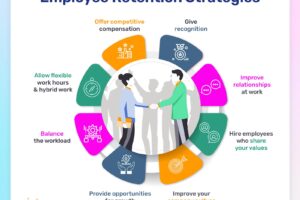
Transparent Communication: Open, honest, and frequent dialogue between leadership and staff builds trust and ensures that everyone understands organizational goals and changes.
-
Employee Development: Providing continuous training, mentorship, and clear career progression pathways demonstrates that the organization invests in its people’s futures.
-
Constructive Feedback: Establishing regular feedback loops helps employees understand their strengths, identify areas for improvement, and feel guided rather than evaluated.
-
Meaningful Recognition: Acknowledging milestones, achievements, and innovative contributions reinforces positive behaviors and validates employee effort.
-
Effective Leadership and Management: Managers act as the primary touchpoint for culture; supportive, empathetic leaders inspire loyalty and high performance.
Encouraging Employee Participation
Engagement thrives in environments where employees feel psychologically safe to share ideas, question status-quo processes, and participate in decision-making initiatives. When workers are invited to contribute to operational improvements or workflow redesigns, they develop a sense of ownership over outcomes. This participatory approach not only surfaces innovative operational solutions but also deepens individual commitment to the company’s success.
Measuring Engagement Effectively
Organizations cannot manage what they do not measure. Conducting regular, anonymous pulse surveys, engagement indexes, and structured exit interviews provides human resources professionals and executives with quantitative insights into workforce sentiment. Tracking participation metrics, team-level turnover rates, and internal promotion frequencies helps identify specific departments that may require leadership support or cultural intervention.
Building a Culture of Continuous Learning
Integrating continuous learning into the daily rhythm of the enterprise is one of the most powerful ways to sustain engagement. Professionals across all levels desire opportunities to refine their expertise, master emerging business technologies, and expand their management skills. Providing structured professional development programs signals that the organization values intellectual growth and career longevity.
Practical Recommendations for Organizations
To translate engagement theory into daily practice, business leaders can implement the following actionable recommendations:
-
Train and Coach Managers: Provide leadership development programs specifically designed to teach empathy, active listening, and constructive feedback delivery.
-
Align Individual Goals with Company Vision: Ensure every employee understands how their specific daily tasks contribute to the overarching strategic mission of the organization.
-
Celebrate Successes Publicly: Create structured recognition programs that celebrate individual and team achievements transparently.
Conclusion
Building a highly engaged workforce is an ongoing journey that requires authentic leadership, deliberate communication, and continuous investment in people. By prioritizing professional growth and cultivating a positive work environment, companies unlock the full potential of their teams. To dive deeper into cultivating a supportive environment, explore our insights on [workplace culture], discover the impact of [employee development], and strengthen your leadership approach through targeted [management skills] and [continuous learning] programs.

You may also like

Employee Development

Workplace Culture